
Financial Advice
for the
Financially Anxious
Financial Guide: Rachel Heifetz

Back to Basics
Even the “basics” of finance can be anxiety inducing. What bank do you pick? How much needs to go to savings? How do you fix past mistakes? It’s easy to become overwhelmed and paralyzed by all the options. Let’s talk through the basics together and take baby-steps towards financial confidence.
Everyone makes mistakes! The important part is to let go of the shame and move forward. Whether you took out a high-interest loan, overspent on credit cards, or fell victim to a scam, this is a completely judgment-free space. We’ll acknowledge the past, learn from it, and focus on the best next step for you.
No Judgement
Customized Plan
There’s no one-size-fits-all formula here. I take the time to truly understand you and your goals, so we can create a clear plan that brings your money into alignment with your values and dreams
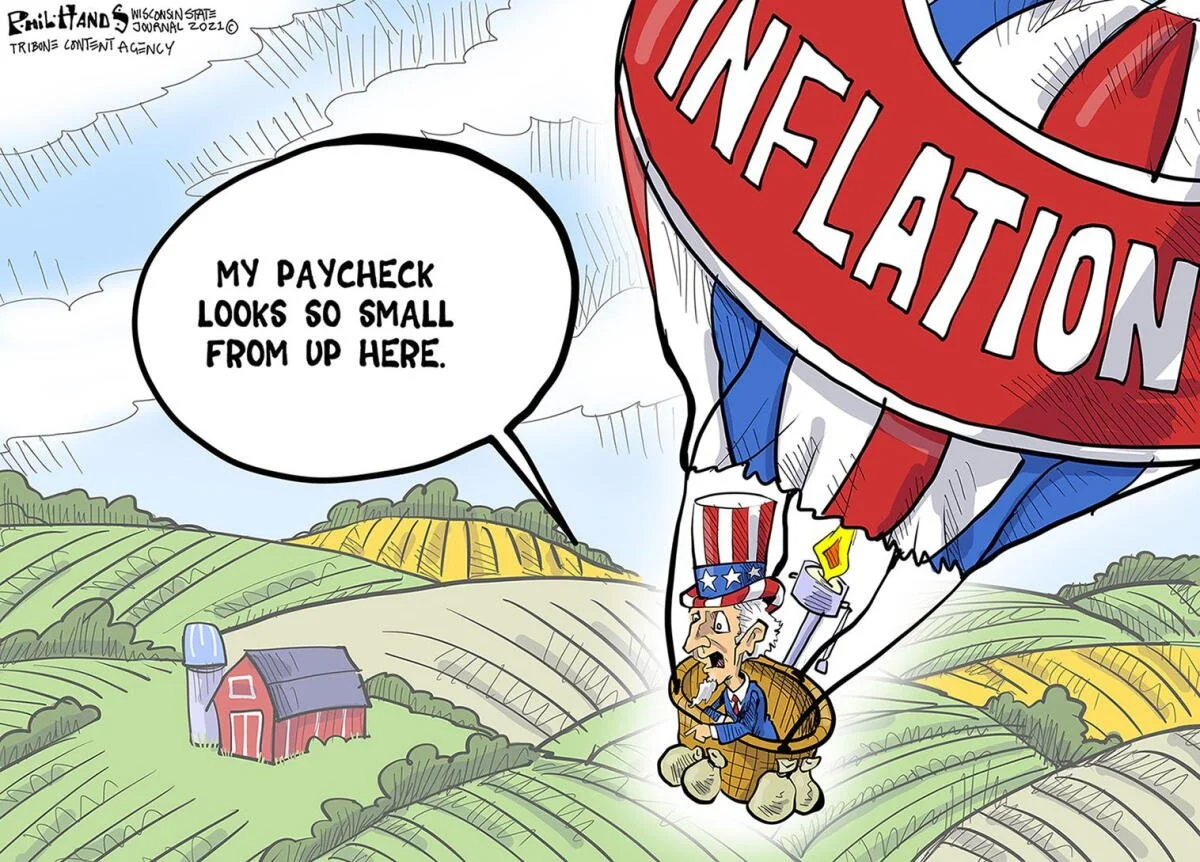
The World is Scary, Your Finances Don’t Have to Be…
Americans are more stressed about money than ever. Inflation, economic uncertainty, and cuts to aid programs are all having a large impact on the financial security of the average American. It is my hope that soon the political tides will change and politicians who will prioritize the well being of all Americans will come to power.
Aside from casting your votes and maybe volunteering for your favorite political organization or candidate, the policies that shape our economics are largely outside our spheres of control. That does not mean that YOUR finances are out of your control. Vote for the world you want, then deal with the world you have.
A bad economy is not an excuse to ignore your finances. You can always take steps to learn about personal finances and improve your situation, even if it starts as just a few small changes. Track your spending, make a budget, automate your savings and investing. Even if you can only work with a small amount of money, building those positive habits will grow to big changes over the years. $100 a month invested for 30 years will be worth $150,000. $100 paid extra on a credit card each month can save you hundreds or even thousands of dollars in interest payments. Don’t let the heavy mood of the country keep you down.
Go do one small thing for yourself and your future today!